
Types of Kratom
A complete guide to every vein color, their alkaloid profiles, popular varieties, and how they compare.
Kratom (Mitragyna speciosa) is a tropical tree in the coffee family, native to Southeast Asia. The dried leaf powder is classified by vein color, which reflects harvest maturity and processing method.
- Vein color indicates when the leaf was harvested and how it was dried
- Alkaloid profiles differ measurably between vein colors in published HPLC analyses
- Strain names (Bali, Maeng Da, Hulu) refer to regional origin or processing style
Good to know: Names like "Green Maeng Da" or "Red Hulu" don't represent distinct plant varieties. All kratom comes from the same species, Mitragyna speciosa. The differences you'll notice between strains come down to where the leaves were grown, when they were harvested, and how they were dried and processed. We think that's worth being upfront about, because understanding what you're buying matters.
Use the filter tabs below to compare strains, or jump to the alkaloid data and geographic origins.
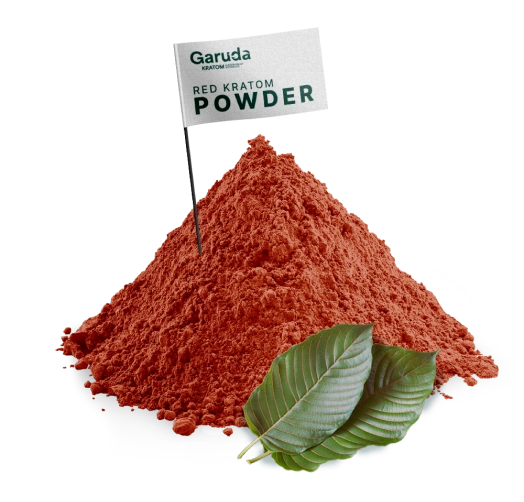
Red Kratom Powder
Red Vein Kratom is the most widely recognized and popular vein color, sourced from mature Mitragyna speciosa trees with distinctive red-veined leaves. The extended maturity of these leaves results in the highest overall alkaloid concentration among vein colors, with elevated levels of 7-hydroxymitragynine and the widest diversity of detectable compounds (24 identified in Boffa et al., 2018).
Known for its robust, earthy flavor and deep color, red vein kratom undergoes extended drying, often under UV light or sunlight. Some red varieties include a fermentation step before final drying, which further alters the alkaloid ratios. Red Bali and Red Maeng Da are the two most popular varieties.
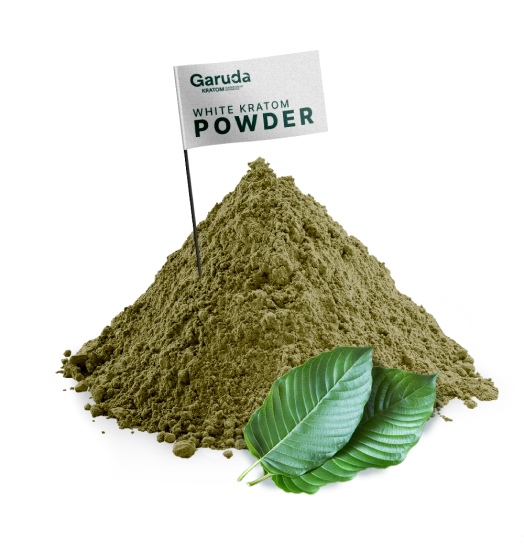
White Kratom Powder
White Vein Kratom is typically sourced from younger trees or the newer growth on mature ones, identifiable by its lighter veins and stems. This earlier harvest yields a different alkaloid composition, with published analyses showing higher mitragynine-to-total-alkaloid ratios compared to red varieties.
White vein leaves are dried quickly in climate-controlled, low-light environments to preserve the early-harvest alkaloid profile. The rapid indoor drying method distinguishes white kratom processing from the extended sun-drying used for red varieties. White Maeng Da and White Bali are the most popular white vein products.
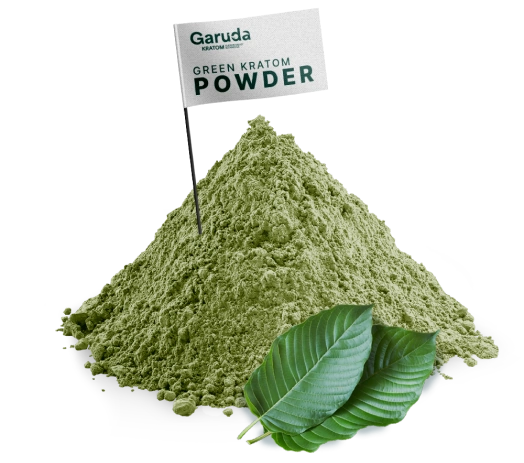
Green Kratom Powder
Green Vein Kratom is harvested at mid-maturity with pronounced green veins, placing it between red and white varieties on the growth cycle. Green Malay samples showed the highest total alkaloid percentage by weight in extract analysis (94.9% combined alkaloid content in Boffa et al., 2018).
Green vein leaves are dried indoors with limited UV exposure for shorter durations than red varieties. This processing method preserves a balanced alkaloid composition. Green vein kratom is often recommended as a starting point for newcomers due to its mid-range position between the other vein color profiles.
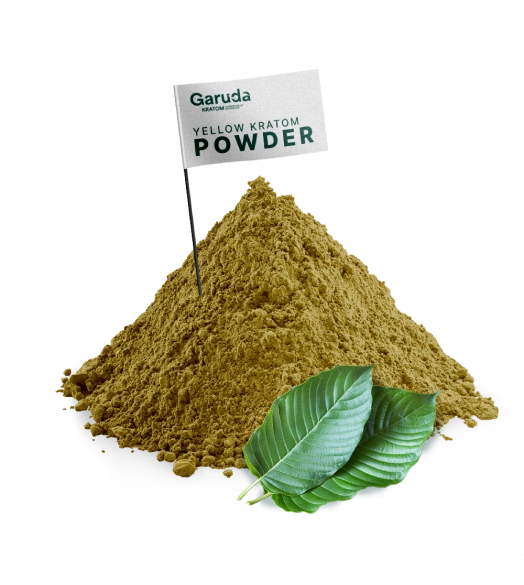
Yellow/Gold Kratom Powder
Yellow and Gold Vein Kratom strains are not harvested from a distinct tree variety. They are created through specialized post-harvest techniques applied to other vein colors, typically involving extended fermentation (leaves sealed in bags before drying) or blending of red and green/white material.
Research shows these processing methods alter alkaloid ratios: withering duration can increase mitragynine concentrations by 14-65% and enhance speciogynine and paynantheine by 35-67% depending on cultivar and conditions (Huisman et al., 2023). Gold Bali remains the standout favorite in this category, though there is no standardized "gold" alkaloid profile in published literature.
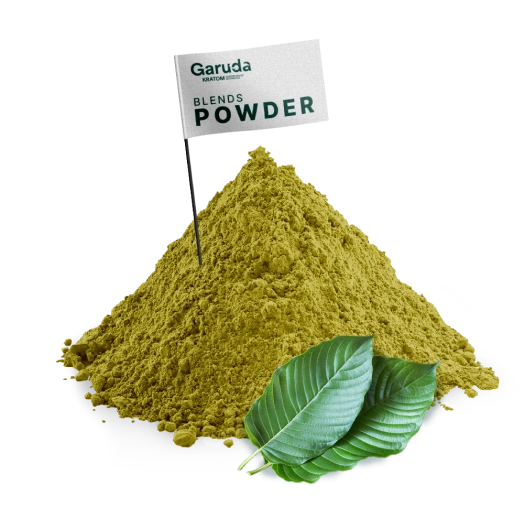
Kratom Blends
Blended Kratom involves combining powder from two or more vein colors or regional varieties into a single product. Because each blend is a proprietary formulation, the resulting alkaloid chemistry is a weighted average of the component strains. Per-batch HPLC analysis would be required to characterize any specific blend.
Types of Blends:
- Balanced Blends: A mix of stimulating and soothing qualities from multiple strains for an all-around experience.
- Targeted Blends: Specifically designed to highlight particular traits like herbal energy or calm by mixing strains with similar profiles.
- Morning Blends: Typically white and green combinations crafted for an energizing start to the day.
- Evening Blends: Usually red and gold combinations formulated for relaxation and winding down.
Not Sure Which Strain Is Right for You?
Take our quick Strain Finder Quiz to get a personalized recommendation based on your preferences and experience level.
Take the Strain Finder Quiz →Alkaloid Profiles by Vein Color
High-performance liquid chromatography (HPLC) analysis of dried Mitragyna speciosa leaf powder reveals distinct alkaloid concentration patterns across vein color classifications. The chart below compares published weight-by-weight percentages for the five most abundant alkaloids.
Red Vein
Harvested from mature leaves with red-colored veins. Typically dried under UV light or sunlight for extended periods. Some red varieties undergo a fermentation step before drying. Red Bali samples have been found to contain the widest diversity of detectable alkaloids (24 identified compounds in Boffa et al., 2018).
Mature leaf, extended dryingGreen Vein
Harvested at mid-maturity with green-colored veins. Dried indoors with limited UV exposure for shorter durations. Green Malay samples showed the highest total alkaloid percentage by weight in extract analysis (94.9% combined alkaloid content in Boffa et al., 2018).
Mid-maturity leaf, indoor dryingWhite Vein
Harvested from younger leaves with lighter-colored veins. Dried quickly in climate-controlled, low-light environments to preserve the early-harvest alkaloid composition. White vein samples generally show higher mitragynine-to-total-alkaloid ratios in published analyses.
Young leaf, rapid indoor dryingYellow / Gold
Yellow and gold kratom are not harvested from a distinct vein color. They are produced through specialized post-harvest techniques applied to other vein colors, typically involving extended fermentation (leaves sealed in bags before drying) or blending of red and green/white material. These processing methods are known to alter alkaloid ratios: research shows withering duration can increase mitragynine concentrations by 14-65% and enhance speciogynine and paynantheine by 35-67% depending on cultivar and conditions (Huisman et al., 2023). However, there are no published HPLC studies characterizing a standardized "gold" or "yellow" alkaloid profile, as the resulting composition depends entirely on the source material and the specific processing protocol used.
Post-harvest fermentation / blendingBlends
Kratom blends combine powder from two or more vein colors or regional varieties into a single product. Because each blend is a proprietary formulation that differs by vendor, there is no single published alkaloid profile for blended kratom. The resulting chemistry is a weighted average of the component strains. For example, a 50/50 red and white blend would theoretically yield mitragynine and 7-hydroxymitragynine concentrations somewhere between the published ranges for each source vein. Analytical testing of specific blends would require per-batch HPLC analysis, which is not standardized in the current literature.
Vendor-specific formulationsResearch Context: Batch-to-Batch Variability
Published research (Huisman et al., 2023; Wahbeh et al., 2024) indicates that alkaloid content can vary significantly between batches of the same labeled strain. A 2023 survey study found no statistically significant cross-strain differences in alkaloid content among products from a single vendor, suggesting that factors like geographic origin, seasonal harvest timing, soil composition, and post-harvest processing may influence alkaloid profiles as much as or more than vein color classification alone. Withering duration and drying temperature have been shown to alter mitragynine concentrations by 3-65% depending on cultivar.
Sources
- Boffa L, et al. Nat Prod Commun. 2018;13(9):1111-1116.
- Sharma A, et al. Drug Test Anal. 2019;11(8):1162-1171.
- Lydecker AG, et al. Psychoactives. 2023;2(3):214-229.
- Huisman HE, et al. J Ethnopharmacol. 2023.
- WHO ECDD Pre-Review Report. 44th ECDD, 2024.
The values above represent published analytical ranges and are not guaranteed specifications for any product. Actual alkaloid content varies between batches, suppliers, and regions. These data are from HPLC and LC-MS/MS analyses of dried leaf powder and extracts, not from controlled human pharmacokinetic studies.
Geographic Origins of Kratom
An estimated 95% of the global kratom supply originates from the Indonesian provinces of West and Central Kalimantan, on the island of Borneo. The remaining supply comes from other parts of Southeast Asia where Mitragyna speciosa grows natively.
Southeast Asian Cultivation Regions
OverviewKratom (Mitragyna speciosa) is a tropical evergreen in the coffee family, native to the rainforests of Southeast Asia. Commercial cultivation is concentrated in the Indonesian portion of Borneo (Kalimantan), where alluvial river soils and equatorial climate create ideal growing conditions. Smaller harvests come from Sumatra, Bali, Thailand, Peninsular Malaysia, and Papua New Guinea. Explore each region above to learn about its geography, agriculture, and role in the global supply chain.
The vast majority of kratom sold in North America and Europe originates from West Kalimantan, Indonesia, regardless of strain name. Trade names like "Bali," "Thai," or "Malay" typically refer to processing style or traditional naming conventions rather than the actual geographic origin of the leaf material.
Frequently Asked Questions
⚠️ FDA Disclaimer
This product has not been evaluated by the Food and Drug Administration. Not intended to diagnose, treat, cure, or prevent any disease. Kratom is not approved by the FDA for any medical use. The information on this page is for educational purposes only and should not be considered medical advice.
Consult your physician before using kratom, especially if you are pregnant, nursing, taking medication, or have a medical condition. Keep out of reach of children. Not for use by anyone under 21 years of age.